
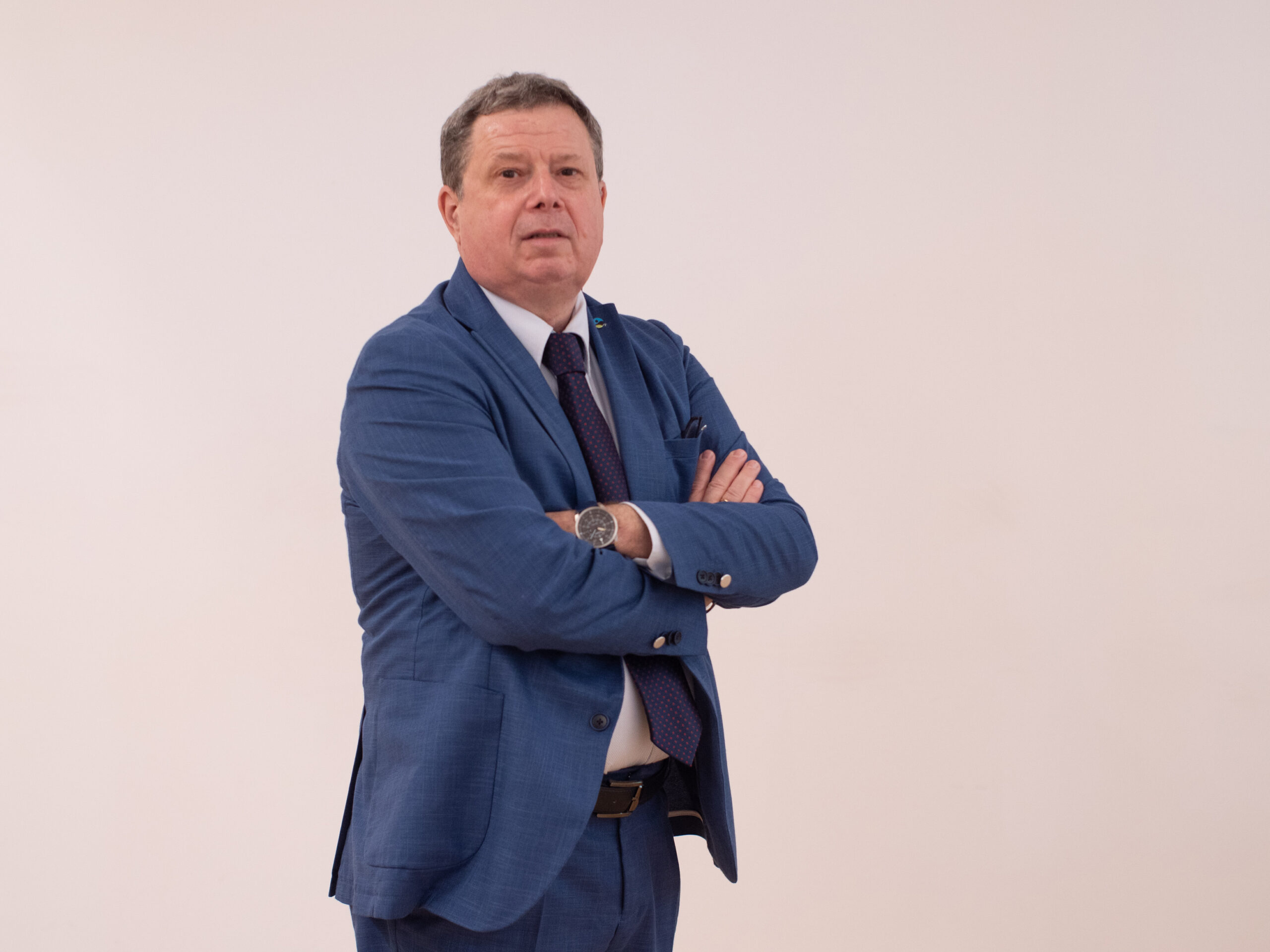
In a context of prolonged food inflation and a proliferation of competing standards (Rainforest Alliance, UTZ, B Corp, organic, regenerative…), does declared trust actually translate into purchasing choices, or is there some degree of so-called “label fatigue”?
Even in a context of sustained inflation, consumer sensitivity towards ethical values remains solid, according to the 2025 sales data. In addition, it is worth recalling that the EmpCo Directive (Legislative Decree 30/2026) against greenwashing, which will come into force on 27 September, acts as a valuable ally, bringing clarity to the market and sweeping away claims and labels that present themselves as “green” without real guarantees. In this context, as an independent third-party certification based on robust Standards, Fairtrade continues to represent the benchmark for reliability and transparency.
Fair trade historically emerged as a system to protect basic agricultural producers: coffee, cocoa, bananas. Today the Global South also produces technology, design, value-added manufacturing, digital services. Are Fairtrade standards able to certify more complex supply chains, to keep pace with a producer who no longer wants to sell only raw material but wants to process it locally, brand it, and distribute it independently? In other words, has certification also become a tool for upgrading within the value chain?
Fairtrade International develops the global Standards and defines the certification criteria for specific sectors: we work predominantly in agricultural supply chains such as coffee, cocoa, bananas, tea, dried fruit and spices, but also cut flowers, cotton and gold. Fairtrade Italia monitors the use of the Mark by companies within the national territory. Our Standards cover social, economic and environmental aspects and apply to the raw material; in multi-ingredient products, such as biscuits, certification guarantees the agricultural ingredients they contain, for example sugar or cocoa.
On packaging, the Mark ensures that the raw materials have been grown in accordance with workers’ rights, guaranteeing the Fairtrade Minimum Price and the Fairtrade Premium, which is used for the development of projects within cooperatives or for the benefit of workers. The latter represents practical support for the growth of organisations: in several cases, thanks to these additional resources, important steps forward have been taken along the value chain: from setting up in-house laboratories for quality control to building plants for a first stage of raw material processing, as happens with cocoa processed locally at some organisations in the Dominican Republic and Ivory Coast. Or in Peru, where cane sugar packaging takes place. Fairtrade thus offers a tool for ongoing support so that local producers can strengthen their business, add value to their product and manage their work with greater autonomy.
The growth of Fairtrade in Italy also relies on large-scale organised retail, the GDO (supermarkets, discount stores, etc.): a channel that guarantees volumes and visibility, but which also follows a margin-driven logic, at times putting pressure on suppliers and standardising the offer in ways that do not always align with the direction of fair trade. How is this coexistence managed?
Fairtrade was founded over thirty years ago with the aim of ensuring better trading conditions and greater market access for those who farm in Asia, Africa and Latin America. Today, the GDO remains the most important channel for the distribution of Fairtrade products, thanks to a network covering thousands of points of sale across the country, with an overall range spanning breakfast cereals, snacks, ice cream and biscuits, right through to a very wide selection of products for occasions such as Valentine’s Day, Easter and Christmas. From this perspective, large-scale organised retail is an essential partner, guaranteeing volumes and extraordinary coverage across the entire national territory.
Managing this coexistence with the GDO’s pricing dynamics and margins means applying clear, non-negotiable rules. Fairtrade Standards act as a protective shield for producers: mechanisms such as the Minimum Price protect farmers from downward fluctuations in global markets, ensuring that the costs of sustainable production are never passed down onto the last link in the chain.
The results confirm this vision: consumption sustained by the GDO network in Italy has made it possible to generate over €3.6 million in Fairtrade Premium. These additional economic resources went directly to agricultural organisations in Asia, Africa and Latin America, which managed them independently for productive investments and community services.
China and India are today among the world’s largest producers and exporters of agricultural and manufactured goods: textiles, tea, spices, cotton, electronics. At the same time, both countries have rapidly growing domestic markets and a middle class that is beginning to develop an awareness of sustainability. How does Fairtrade position itself in relation to these two giants, both as a production context to certify — with all the monitoring and independence challenges this entails — and as a potential market of ethical consumers in the future?
China and India have always been countries of origin for various Fairtrade-certified agricultural supply chains, particularly for products such as tea, cotton, spices and rice. In these contexts we are observing an interesting evolution: in India specifically, an initial awareness of sustainable consumption is emerging, and products carrying our Mark are gradually beginning to appear on the local market too.
These are nonetheless very large and complex territories, where profound economic and social inequalities still persist. This is precisely where Fairtrade certification seeks to intervene, focusing carefully on specific supply chains: the goal is to guarantee concrete protections and fairer working conditions for local producers, while at the same time giving European consumers the opportunity to make ethical, transparent and informed purchasing choices.
Could you suggest a book or a film to help us understand your work and your passion for a fairer, more redistributive economy?
To trace the origins of the Fairtrade movement, a fundamental reference text is “Faremo un mondo migliore” (“We Will Build a Better World”) by Frans van der Hoff, one of the founding fathers of fair trade, who passed away last year. In the book, Van der Hoff recounts with great humanity his personal story and his journey, from Europe to Mexico, lived alongside communities of small-scale coffee producers. It is a book that can still be a great source of inspiration today.