
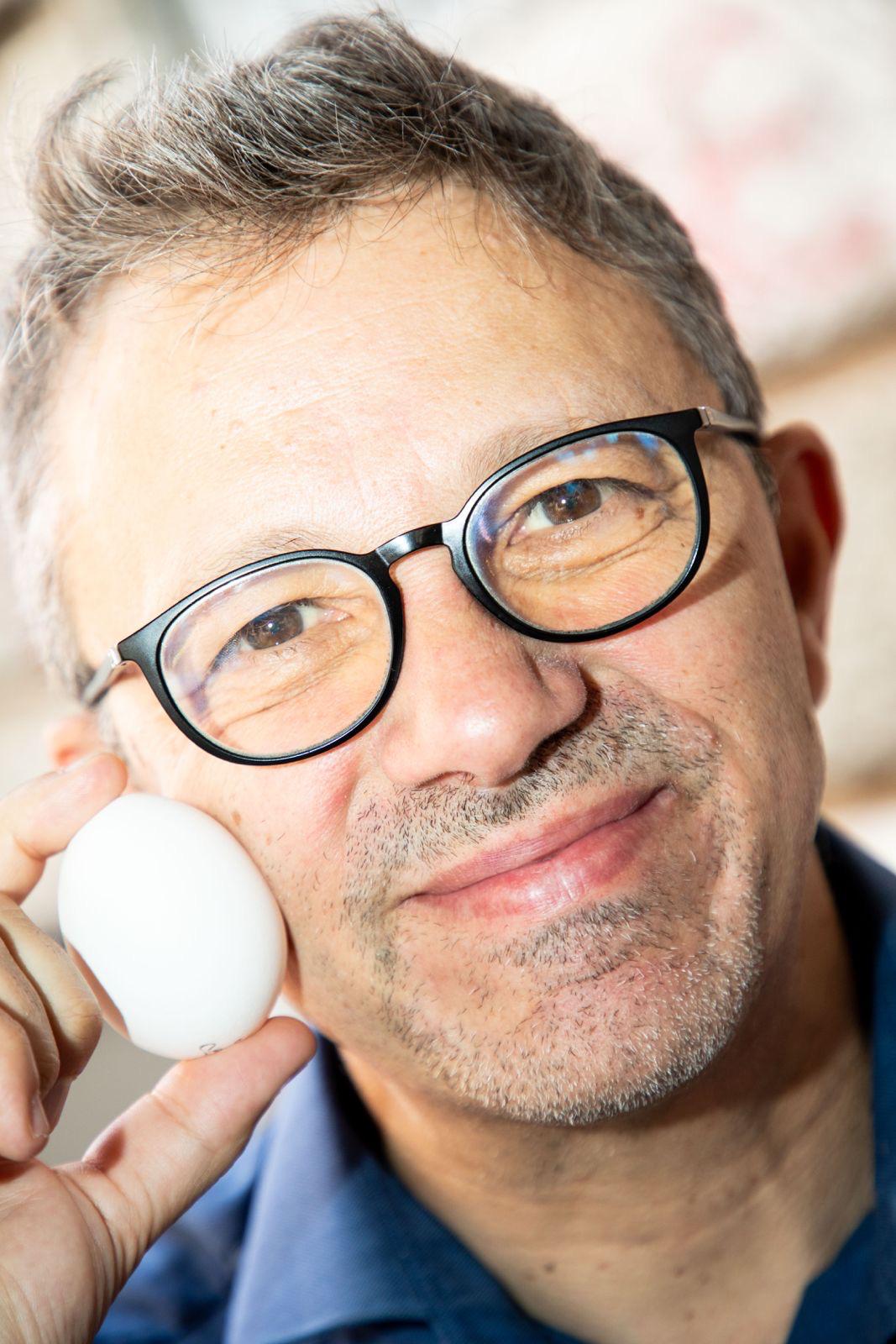
Interview with Massimo Vaccaro, Director of Ethical Cooking School and Frigo Magazine
Ethical Cooking School was born as a movement that connects cooking schools around the theme of sustainability: where did this idea come from and what problem was it trying to solve? The idea grew out of a movement designed to share expertise, sustainability, and nutrition. It all started with a magazine conceived specifically for cooking […]
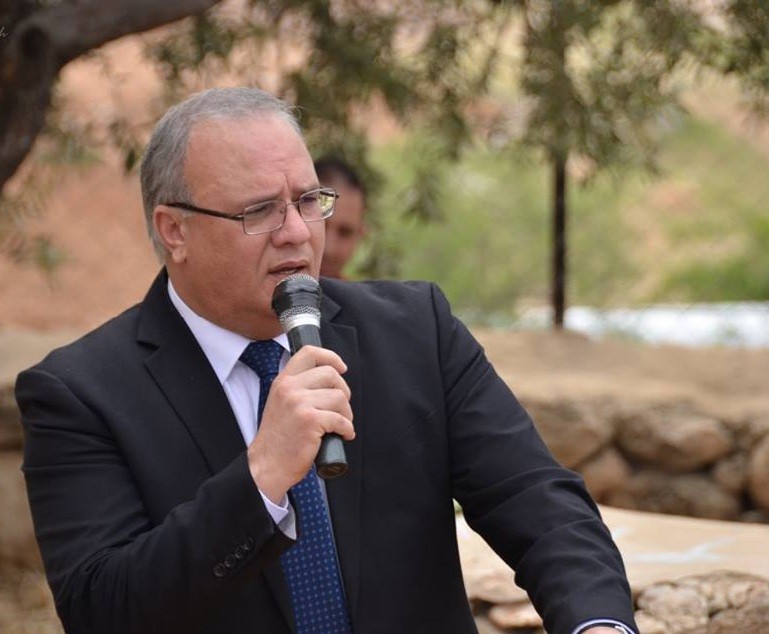
Interview with Ibrahim Al-Shaer, President of Al-Quds Open University
We are happy to have the opportunity to speak with a scholar and public servant whose life’s work has been devoted to the preservation of culture, memory, and human dignity under some of the most difficult circumstances imaginable. We are genuinely grateful that he has accepted our invitation. The questions we bring to this conversation […]

Interview with Giulia Tosoni, Director of the Youth Promotion and School-to-Work Transition Project Directorate at the City of Milan
1. How do the projects promoted by the City of Milan integrate the needs of the local productive fabric without losing sight of the individual pathways and aspirations of young people? This is a question we reflect on a great deal, and one that admits no easy resolution. On the one hand, Milan attracts a […]
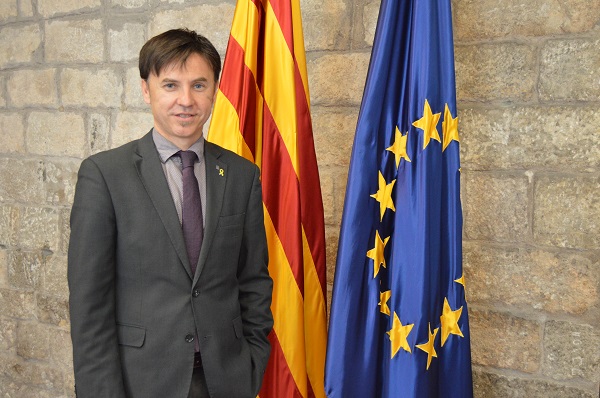
Interview with Isidre Sala Queralt – Team leader at Catalonia Agency for Business Growth
The private for-profit sector emerged as a new actor in international development cooperation beginning in the early 2000s (BOP Theory, etc.). Its managerial capacity, financial resources, and profit-oriented vision were regarded as crucial for developing more economically sustainable cooperation solutions, distinct from philanthropic assistance models. In your view, has the involvement of the private for-profit […]

Interview with Federico Anghelè, Italian Office Director of The Good Lobby
In recent years, we have witnessed setbacks on issues such as LGBTQIA+ rights, self-determination, and citizenship: who benefits from the status quo? And what is civil society lacking? In this age of polarization—heightened and indeed cultivated by social media—it appears that the positions that prevail are the most extreme ones, capable of holding hostage those […]

Interview with Federico Bonaglia, Deputy Director at the OECD Development Centre
Recent developments point to a gradual weakening of the principle of impartiality, a cornerstone of the humanitarian aid model. In your view, could this trend also intensify in development cooperation, in addition to humanitarian assistance? The context of development cooperation is evolving, with geopolitical dynamics increasingly being invoked as a justification for intervention. A growing […]

Interview with Dr Antonella Fioravanti, President of the Parsec Foundation
Science seems increasingly distant from the lives of citizens, even though it has very concrete repercussions on everyday life. How did we get to this point? I believe we’ve reached this point due to a combination of factors. For years, science has been perceived as something “other”: a difficult language, confined to laboratories or academic […]
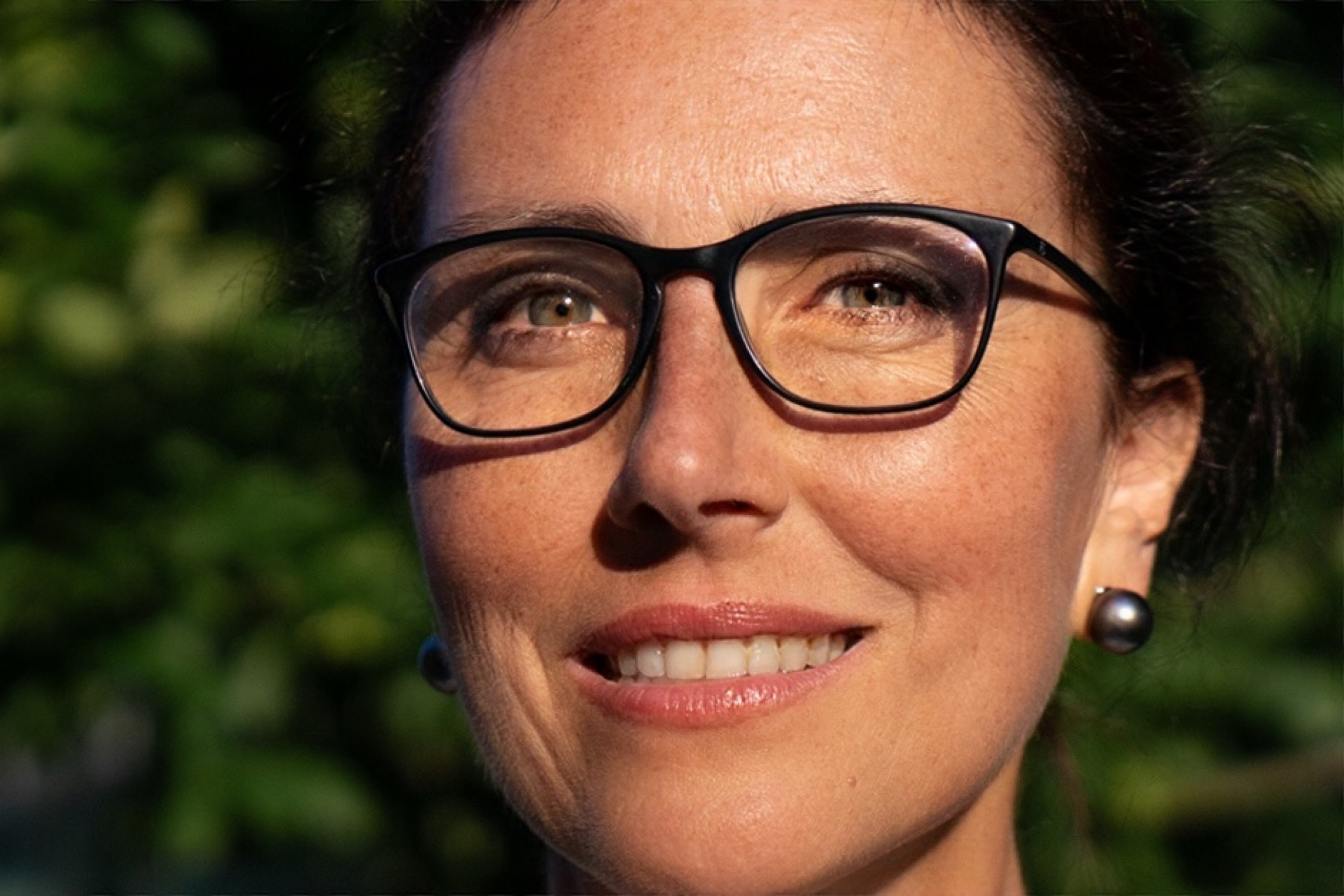
Interview with Arch. Maria Alessandra Segantini – Co-founder and Creative Director of C+S Architects
What does “community engagement” mean in architecture? It’s a very complex topic. The simplest answer is “sharing the project with the local community,” but that definition has been overused. It’s really about conceiving a project collaboratively, where all stakeholders take part in the project’s journey. Let me give you three examples: There’s a lot of […]