
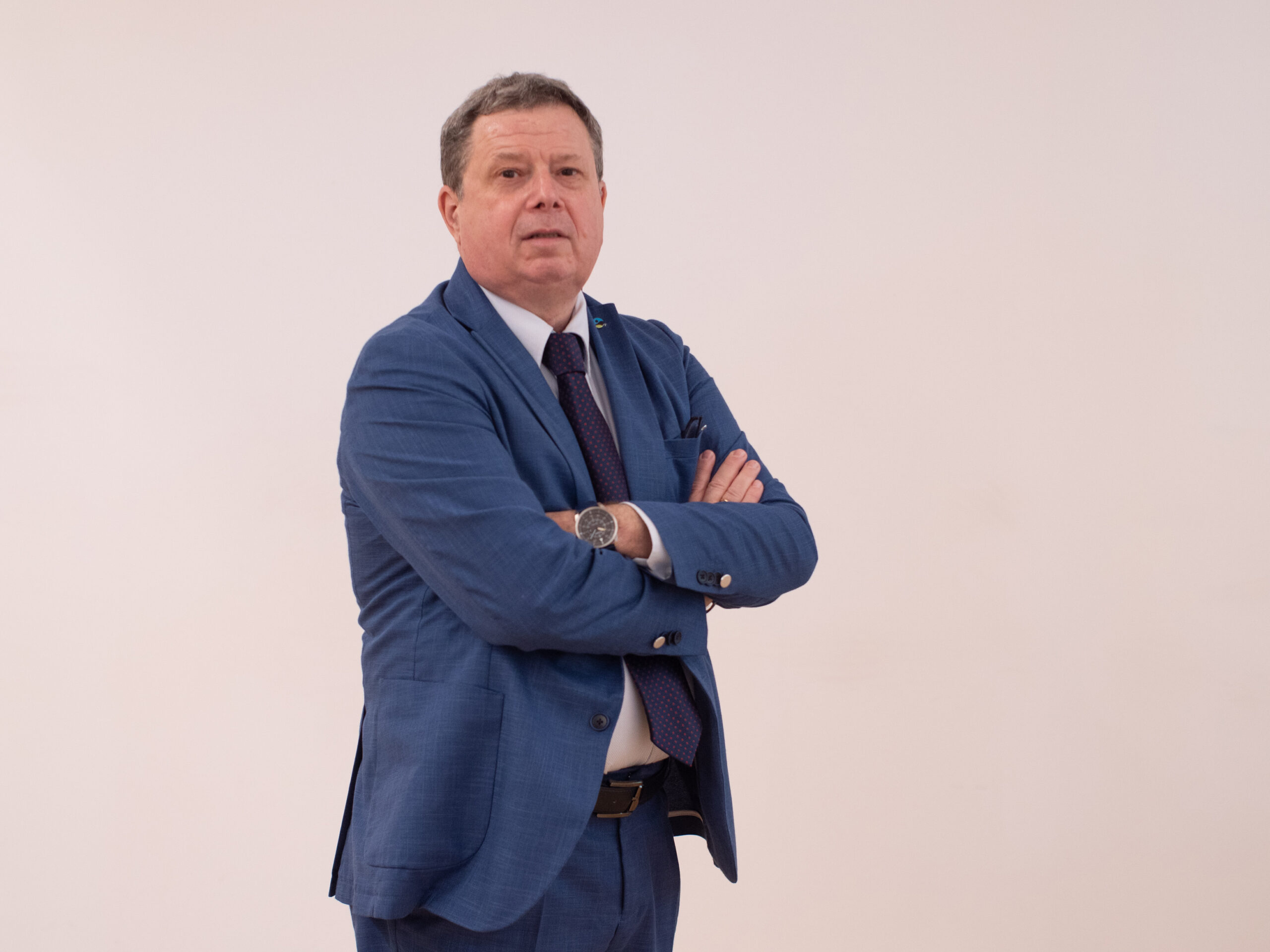
Interview with Paolo Pastore, Director of Fairtrade Italia
In a context of prolonged food inflation and a proliferation of competing standards (Rainforest Alliance, UTZ, B Corp, organic, regenerative…), does declared trust actually translate into purchasing choices, or is there some degree of so-called “label fatigue”? Even in a context of sustained inflation, consumer sensitivity towards ethical values remains solid, according to the 2025 […]
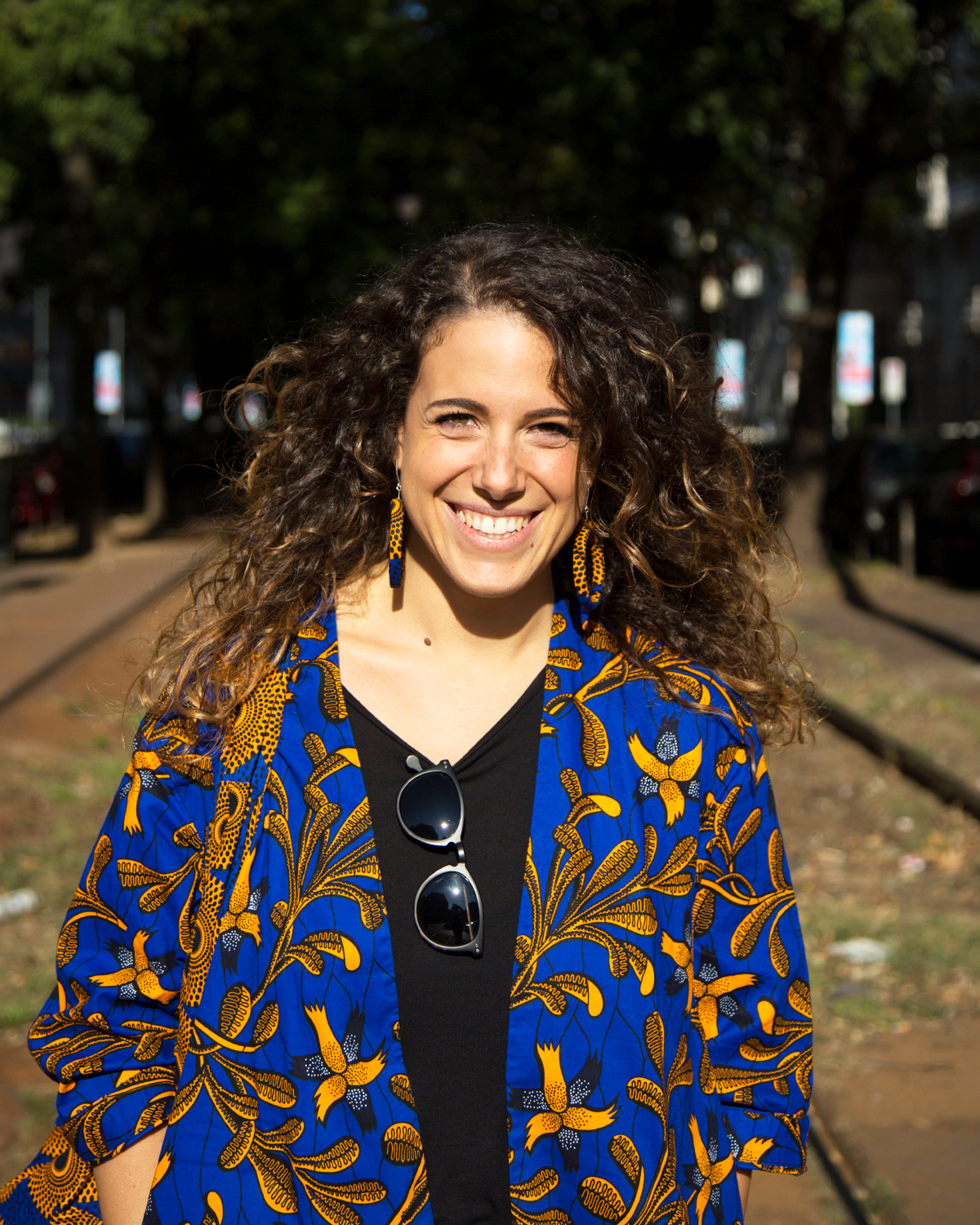
Telling stories: between your own and intercontinental marketing. An interview with Francesca De Gottardo – Marketer
Those who set out on entrepreneurial ventures in contexts very different from their own often cite “inspirational” books (adventure stories, essays on development, foreign poetry). Is there a book that pushed you to go, or that made you feel part of a narrative closer to your own ambitions? I don’t think there’s a single book […]
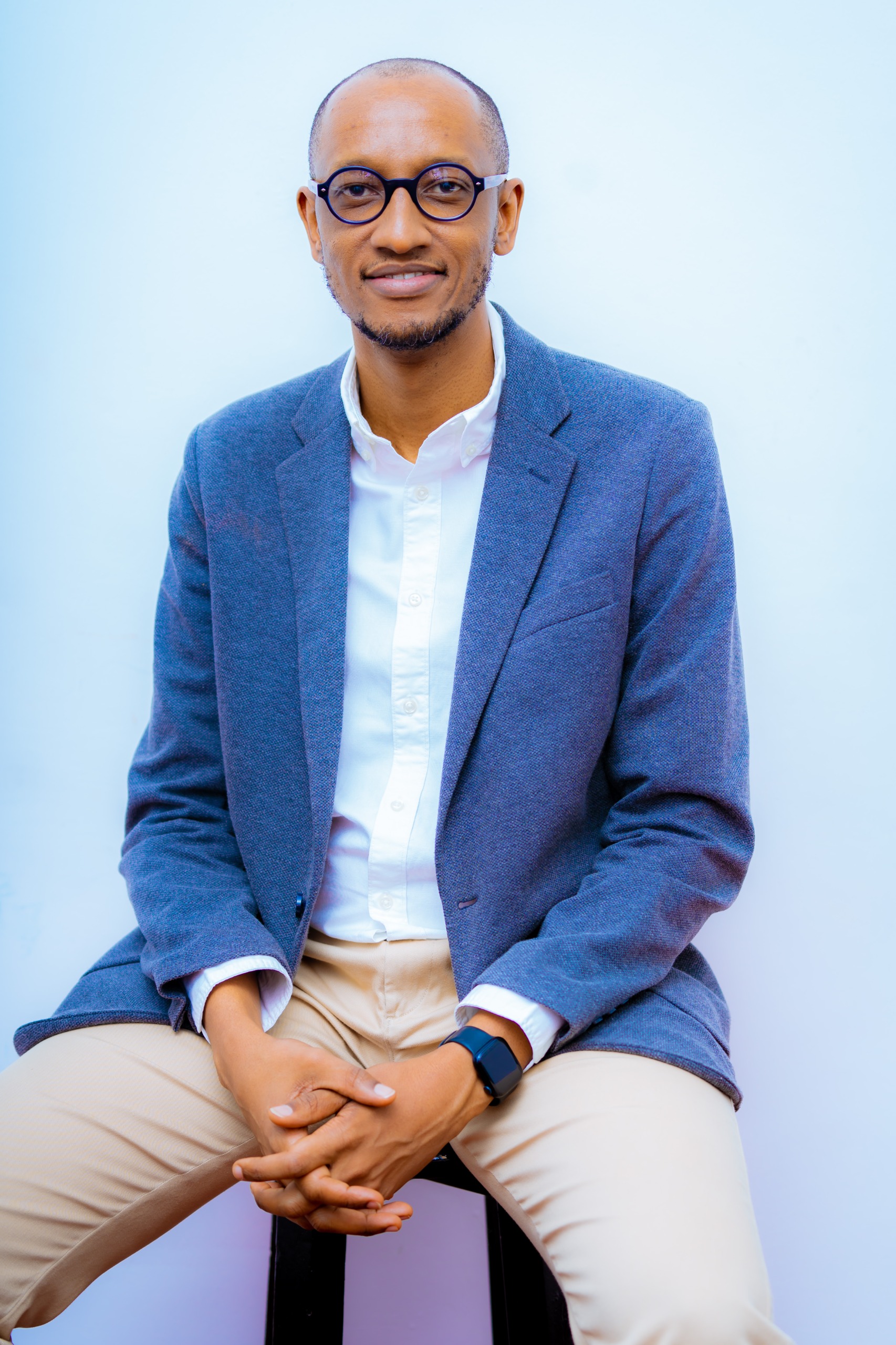
Publishing to stay independent: promoting original thought. An interview with Mkuki na Nyota – Mkuki na Nyota Publishing Tanzania
Mkuki na Nyota is an independent publishing house, founded in 1981 in response to the absence of quality local publishing in Tanzania. We put a series of questions about the independence of African literature to the head of the publishing house. Four decades on from its founding, what are the main lessons you’ve drawn from […]
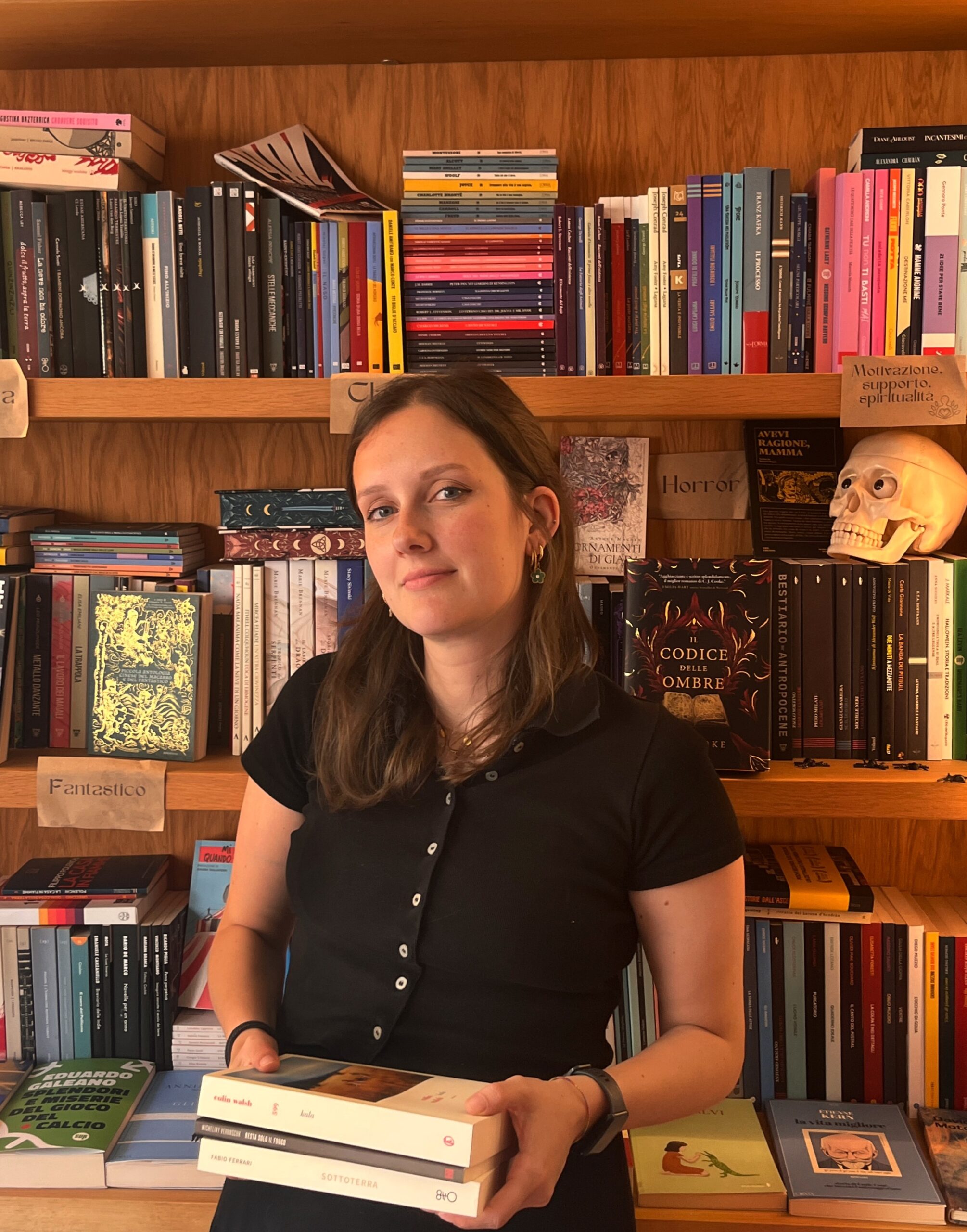
Independent publishing in the neighborhoods: stories of happy spaces. Interview with Erica Brenna – Libreria Incipit 23
Amazon knows what you’ve read, what you’ve bought, what you looked at while scrolling through social media. An independent bookshop, by contrast, is perhaps the only place where a book can still surprise you: does that function have economic value, or is it a cultural battle fought “at a loss”? Independent bookshops fight exactly this […]

Interview with Massimo Vaccaro, Director of Ethical Cooking School and Frigo Magazine
Ethical Cooking School was born as a movement that connects cooking schools around the theme of sustainability: where did this idea come from and what problem was it trying to solve? The idea grew out of a movement designed to share expertise, sustainability, and nutrition. It all started with a magazine conceived specifically for cooking […]
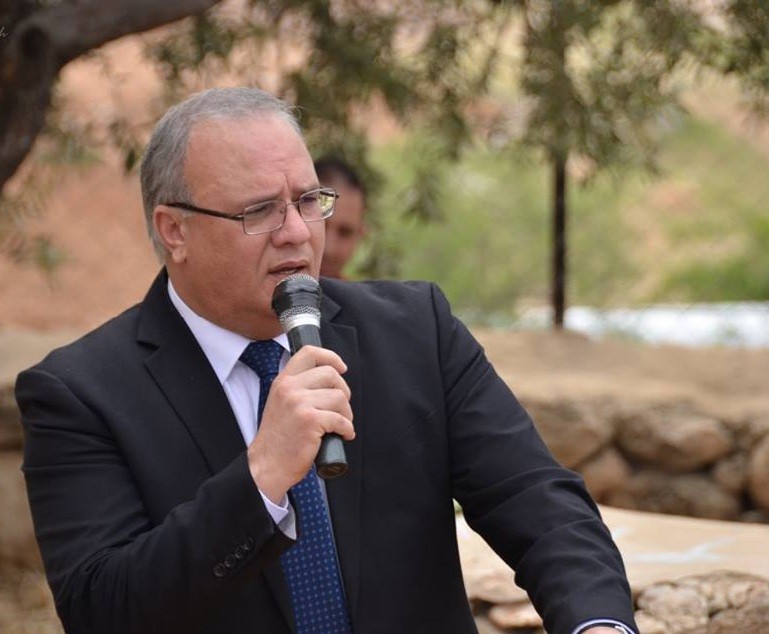
Interview with Ibrahim Al-Shaer, President of Al-Quds Open University
We are happy to have the opportunity to speak with a scholar and public servant whose life’s work has been devoted to the preservation of culture, memory, and human dignity under some of the most difficult circumstances imaginable. We are genuinely grateful that he has accepted our invitation. The questions we bring to this conversation […]

Interview with Giulia Tosoni, Director of the Youth Promotion and School-to-Work Transition Project Directorate at the City of Milan
1. How do the projects promoted by the City of Milan integrate the needs of the local productive fabric without losing sight of the individual pathways and aspirations of young people? This is a question we reflect on a great deal, and one that admits no easy resolution. On the one hand, Milan attracts a […]
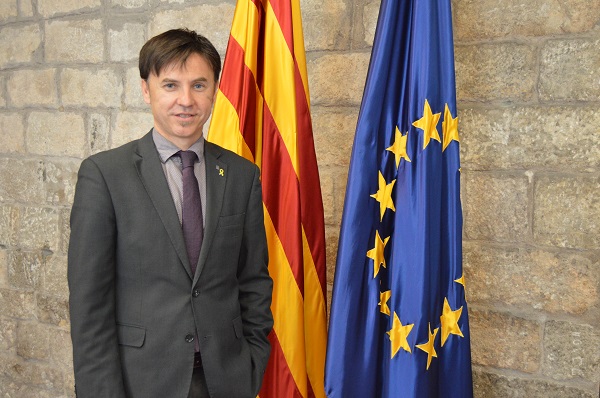
Interview with Isidre Sala Queralt – Team leader at Catalonia Agency for Business Growth
The private for-profit sector emerged as a new actor in international development cooperation beginning in the early 2000s (BOP Theory, etc.). Its managerial capacity, financial resources, and profit-oriented vision were regarded as crucial for developing more economically sustainable cooperation solutions, distinct from philanthropic assistance models. In your view, has the involvement of the private for-profit […]

Interview with Federico Anghelè, Italian Office Director of The Good Lobby
In recent years, we have witnessed setbacks on issues such as LGBTQIA+ rights, self-determination, and citizenship: who benefits from the status quo? And what is civil society lacking? In this age of polarization—heightened and indeed cultivated by social media—it appears that the positions that prevail are the most extreme ones, capable of holding hostage those […]
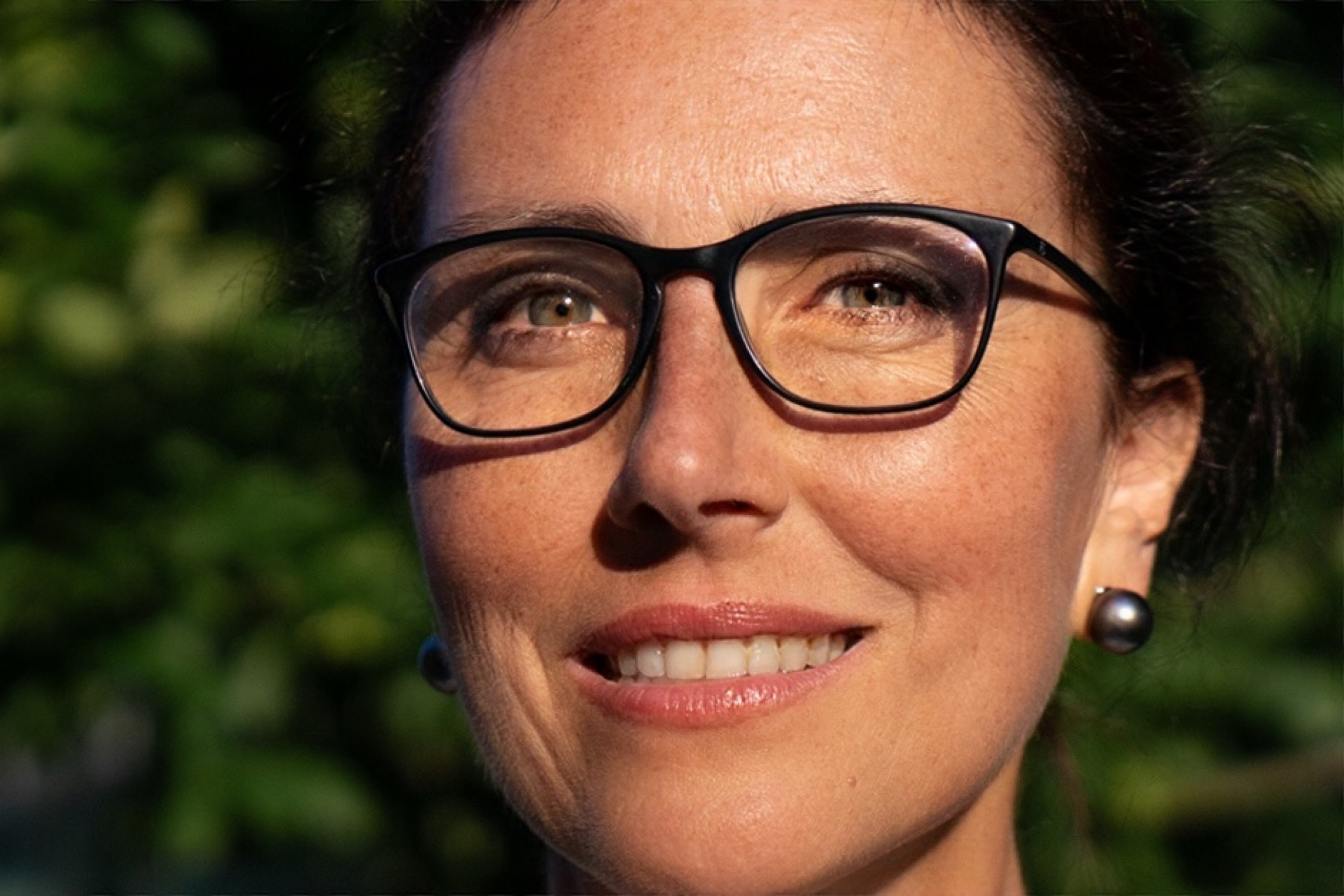
Interview with Arch. Maria Alessandra Segantini – Co-founder and Creative Director of C+S Architects
What does “community engagement” mean in architecture? It’s a very complex topic. The simplest answer is “sharing the project with the local community,” but that definition has been overused. It’s really about conceiving a project collaboratively, where all stakeholders take part in the project’s journey. Let me give you three examples: There’s a lot of […]